
Every leader, every hiring manager, every HR professional strives for fairness. We believe in meritocracy, in identifying the best talent for the job, irrespective of background. Yet, despite our best intentions, an insidious force often lurks beneath the surface of our decision-making, subtly sabotaging our efforts to build truly diverse and high-performing teams: bias. It’s not always malicious; often, it’s an unseen mirror, reflecting our own cognitive shortcuts back at us. This is the bias blindspot, and it’s a universal challenge.
The stark reality is that traditional hiring methods, particularly the ubiquitous unstructured interview, have become unwitting architects of exclusion. They create unseen barriers that systematically hinder diversity goals, leading to homogenous workforces that lack the very innovation and resilience needed to thrive in today’s dynamic global landscape. If Rocky Balboa was a content marketer his montage wouldn’t include punching meat, one-handed pushups, and running up the 72 steps of the Philadelphia Museum of Art. No, some Philly Soul would accompany him writing SQL queries, wrangling multimillion-row CSV files, and working out how to rotate axis labels in D3. This article is your data-driven montage, your definitive playbook.
This guide is engineered to be your breakthrough. We will meticulously deconstruct these unseen barriers, providing a definitive, data-driven roadmap to dismantle bias and build truly diverse, high-performing workforces through strategic, structured hiring. We’ll move beyond mere awareness to arm you with actionable strategies, leveraging the power of structured processes, analytics, and ethical AI. Prepare to transform your talent acquisition from a subjective gamble into a strategic, equitable engine for growth.
Key Takeaways
- Unconscious biases and the ‘bias blindspot‘ are pervasive, impacting even well-intentioned hiring professionals and hindering diversity.
- Unstructured interviews are a primary breeding ground for bias, leading to inconsistent assessments, legal risks, and significant financial and performance costs due to a lack of diversity.
- Implementing structured interview processes is the single most effective strategy for mitigating bias, improving fairness, and enhancing hiring validity.
- Leveraging data-driven approaches and ethical AI tools can significantly reduce bias in screening and selection, focusing on skills over subjective impressions.
- Achieving true diversity requires a holistic, full-cycle strategy from job description to onboarding, supported by leadership buy-in, continuous training, and measurable DEI goals.
- The Invisible Architects of Exclusion: Deconstructing Bias in Hiring
- The High Cost of Homogeneity: Why Lack of Diversity Hinders Business Growth
- Building a Bias-Resistant Hiring Framework: A Full-Cycle Strategy
- Data-Driven Diversity: AI and Analytics as Allies Against Bias
- From Goals to Growth: Embedding DEI into Organizational Culture
- Conclusion
The Invisible Architects of Exclusion: Deconstructing Bias in Hiring
Before we can build a bias-resistant hiring framework, we must first understand the invisible forces at play. These aren’t always overt prejudices; more often, they are subtle cognitive shortcuts, the brain’s way of processing information quickly, which can inadvertently lead to unfair and inconsistent decisions. This section peels back the layers of unconscious bias and the particularly tricky bias blindspot, revealing how they subtly yet powerfully influence every stage of your hiring process, contributing to a persistent lack of diversity.
The literature is unequivocal: even those individuals openly and deeply committed to equity can hold unconscious or implicit biases. Having biases is human nature. Ignoring this inhibits our ability to mitigate these biases; studies show that individuals who rated themselves as highly objective prior to reviewing candidate materials in fact showed more incidents of bias than individuals who were not asked to rate themselves, according to a research compilation from Northwestern University.
What is the Bias Blindspot and Why Does it Persist?
The bias blindspot is a fascinating, and often frustrating, cognitive phenomenon. Coined by researchers Emily Pronin, Daniel Lin, and Lee Ross from Princeton University, it describes our inherent tendency to readily recognize the impact of cognitive biases on others’ judgments while failing to see the impact of those same biases on our own. It’s the ultimate “do as I say, not as I do” of the mind.

Why does this happen? It’s rooted in psychological reasons like self-enhancement bias (we like to think well of ourselves) and naive realism (we believe we see the world objectively, and others who disagree are simply misinformed or biased). The practical consequences in professional settings are profound: if you can’t see your own biases, you can’t address them. This leads to a perpetuation of the status quo, where hiring decisions are unknowingly skewed, and diversity efforts stall.
To truly identify cognitive biases within yourself, you must actively seek them out. This isn’t a one-time check; it’s a continuous practice of self-reflection and critical analysis. Here’s a framework for self-assessment bias:
- The Decision Journal: For a week, keep a journal of your significant hiring decisions or candidate evaluations. For each, note:
- The decision made.
- The objective criteria used.
- Your initial gut feeling.
- Any subjective factors that influenced you (e.g., “I just liked their energy,” “They reminded me of myself at that age”).
- After a few days, revisit your notes. Do you see patterns? Did your “gut feeling” align with objective criteria, or did it override them?
- Seek Diverse Feedback: Actively solicit feedback from colleagues with different backgrounds, experiences, and perspectives on your hiring decisions. Ask them to challenge your assumptions. A diverse perspective is your best defense against your own blind spot.
- The “Reverse Role” Exercise: Before making a final decision, imagine you are evaluating the same candidate, but their demographic details (gender, race, age, name) are swapped or anonymized. Would your assessment change? This mental exercise can highlight areas where unconscious assumptions might be at play.
Unconscious Bias: The Silent Saboteur of Diversity
While the bias blindspot is about not seeing your own biases, unconscious bias (or implicit bias) refers to the attitudes or stereotypes that affect our understanding, actions, and decisions in an unconscious manner. These biases develop over a lifetime through exposure to societal norms, media, and personal experiences. They are mental shortcuts that allow our brains to process vast amounts of information quickly, but they can lead to discriminatory outcomes.
Common unconscious bias types include:
- Affinity Bias: Favoring people who are similar to us (e.g., from the same university, hobby, or background).
- Confirmation Bias: Seeking out and interpreting information in a way that confirms our existing beliefs.
- Halo Effect: When one positive trait (e.g., charisma) leads to an overly positive assessment of other unrelated traits.
- Gender Bias: Favoring one gender over another, often unconsciously.
- Racial Bias: Similar to gender bias, favoring one race over another.
The impact of unconscious bias is pervasive, extending far beyond hiring. It influences performance reviews, promotions, and even team assignments. For instance, a manager might unconsciously assign more challenging, high-visibility projects to an employee who reminds them of their younger self, inadvertently limiting opportunities for others.
One of the most well-known methods to measure unconscious biases is the Implicit Association Test (IAT), developed by Harvard University researchers Mahzarin Banaji and Anthony Greenwald. The IAT measures the strength of associations between concepts (e.g., “male” and “career”) and attributes (e.g., “good” and “bad”). While not a perfect diagnostic tool, it can offer insights into your own implicit associations, highlighting potential areas for self-correction. Research from the Royal Society underscores the significant link between these unconscious biases and observable behavior.
Common Interview Biases: Recognizing the Hidden Hurdles
The interview stage is a particularly fertile ground for bias. It’s often where subjective judgments, fueled by unconscious biases, derail otherwise objective hiring processes. Understanding these interview bias types is crucial:
- First Impression Bias: As the University of Florida HR training materials highlight, many hiring decisions are made within the first five to ten minutes of an interview. That initial handshake, eye contact, or even a candidate’s attire can trigger a snap judgment that colors the rest of the evaluation, regardless of their actual qualifications.
- “Like Me” Syndrome (Affinity Bias in Interviews): This is the tendency to favor candidates who share similar backgrounds, interests, or personality traits with the interviewer. It feels comfortable, but it leads to homogenous teams and misses out on diverse perspectives.
- Contrast Effect: When evaluating candidates sequentially, your assessment of one candidate can be influenced by the one who came before them. An average candidate might seem stellar after a poor one, or mediocre after an exceptional one.
- Nonverbal Bias: Unconscious judgments based on a candidate’s nonverbal cues, such as accents, body language, or perceived confidence, rather than their actual responses.
- Stereotype Threat: While not an interviewer bias per se, it’s a phenomenon where candidates from underrepresented groups may underperform in interviews due to the anxiety of confirming negative stereotypes about their group. This highlights the need for interviewers to create an inclusive and equitable environment.
These biases lead to subjective and unfair candidate evaluations. For instance, a study cited by PMC (PubMed Central) found that Hispanic and Black applicants received scores one quarter of a standard deviation lower than Caucasian applicants in unstructured interviews. This isn’t about malicious intent; it’s about the inherent flaws in a system that allows subjective impressions to override objective assessment.
The Real-World Impact
Understanding these unseen biases is the first critical step; without this awareness, even the most well-intentioned hiring teams risk perpetuating systemic inequities, unknowingly shutting doors to diverse talent and limiting their organization’s potential.
The High Cost of Homogeneity: Why Lack of Diversity Hinders Business Growth
The conversation around diversity often centers on ethics and fairness, and rightly so. But for the data-driven coach, it’s equally crucial to understand that a lack of diversity isn’t just an ethical misstep; it’s a strategic blunder with tangible, measurable costs. When your workforce is homogenous, particularly when exacerbated by flawed hiring processes like unstructured interviews, you incur significant financial, performance, and ethical penalties. This section will lay bare the profound consequences, underscoring the urgency of addressing these issues.
Unstructured Interviews: A Breeding Ground for Bias

Let’s cut to the chase: unstructured interviews are the primary culprit in hindering diversity goals. While they might feel natural and conversational, their inherent flaws make them a breeding ground for bias.
The main disadvantages of unstructured interviews stem from their lack of standardization. Interviewers ask different questions, in different orders, and interpret responses through their own subjective lenses. This leads to:
- Inconsistent Candidate Assessments: How can you fairly compare candidates when they haven’t been asked the same questions or evaluated against the same criteria? It’s like comparing apples to oranges, but with far higher stakes.
- Reduced Reliability: The results of unstructured interviews are highly dependent on the interviewer’s mood, biases, and even how much sleep they got the night before. This makes the interview an unreliable predictor of job performance.
- Poor Validity: Unstructured interviews are notoriously poor predictors of actual job success. They often assess superficial traits or “cultural fit” (which often translates to “like me” bias) rather than the skills and competencies truly required for the role.
McGill University’s academic comparison of structured vs. unstructured interviews highlights how standardization is key to improving accuracy and objectivity. When interviewer discretion is unchecked, consistency and fairness plummet, creating disparate outcomes for diverse candidates. Beyond the ethical and performance costs, there are also hidden compliance risks associated with unstructured interviews, as detailed by Evidenced.app, making them a legal liability.
Beyond Ethics: The Tangible Business Impact of Diversity Gaps
The multifaceted problems stemming from a lack of diversity extend far beyond a feel-good metric. They hit your bottom line, stifle innovation, and erode employee retention.

Consider the compelling statistics:
- Financial Impact: Companies in the bottom quartile for both gender and ethnic diversity in executive teams are 66% less likely to outperform financially on average, according to a seminal McKinsey report. This isn’t correlation; it’s a clear indicator that diverse perspectives drive better business outcomes.
- Innovation and Growth: Organizations that embrace Diversity, Equity, Inclusion, and Belonging (DEIB) report increased revenue, greater readiness for innovation, and improved employee retention, as confirmed by Great Place To Work. Diverse teams bring a broader range of experiences, problem-solving approaches, and market insights, leading to more creative solutions and a competitive edge.
- Talent Pipeline & Retention: A lack of diversity signals a deeper issue within your institutional culture, making it harder to attract and retain top talent from underrepresented groups. Academic research on career progression disparities, such as a PMC study on biomedical workforce diversity, reveals that while women receive over half of PhDs in the US, they only make up 38% of full-time faculty, 22% of tenured professors, 16% of deans, and 15% of department chairs. This stark drop-off highlights systemic barriers that extend beyond initial hiring.
- Societal Relevance: By 2040, the US will be a minority-majority country. Yet, in 2018, 93% of federal government roles were White, and 80% male. Organizations that fail to reflect the diversity of their customer base and society at large risk becoming irrelevant.
The Real-World Impact
Ignoring the systemic flaws of unstructured interviews and the resulting homogeneity isn’t just an ethical misstep; it’s a strategic blunder that directly undermines a company’s financial health, innovation capacity, and long-term resilience in a rapidly diversifying global market.
Building a Bias-Resistant Hiring Framework: A Full-Cycle Strategy
The good news? The solution to mitigating hiring bias and truly improving diversity goals isn’t a mystery. It lies in a strategic, full-cycle approach that systematically dismantles unseen barriers and replaces them with objective, fair processes. This section is your definitive guide, moving beyond general advice to provide actionable, step-by-step guidance for designing and executing a truly bias-resistant hiring framework.
As you embark on this journey, remember that transforming your hiring process is a marathon, not a sprint. But with these strategies, you’ll be well-equipped to eliminate recruitment bias and make more equitable hiring decisions.
From Job Description to Offer: Auditing for Inclusivity
Bias doesn’t just appear in the interview room; it can permeate every stage of your recruitment funnel, starting even before a candidate applies.
- Inclusive Job Descriptions: Your job descriptions are your first impression. Are they inadvertently deterring diverse candidates? Avoid gender-coded language (e.g., “rockstar,” “ninja,” “aggressive” often skew male; “support,” “collaborative” often skew female). Focus on skills and responsibilities, not vague personality traits. HRBrain.ai offers excellent insights into identifying and overcoming DEI biases in job descriptions, including leveraging text analysis tools like Textio or Gender Decoder.
- Unbiased Sourcing Channels: Are you fishing in the same pond? Expand your reach beyond traditional networks. Partner with diverse professional organizations, community groups, and educational institutions. Actively seek out platforms and events that cater to underrepresented groups.
- Blind Screening: For initial resume reviews, implement blind screening where identifying information (names, addresses, university names, graduation dates) is removed. This forces reviewers to focus solely on qualifications and experience. This simple step can significantly reduce bias in job descriptions and early screening.
- Objective Criteria & Standardized Assessments: Before you even look at a single resume, define the objective criteria for the role. What are the essential skills, competencies, and experiences? Develop standardized assessments (e.g., skills tests, work samples) that directly measure these criteria.
For practical tips and resources for mitigating bias across the board, the official website for the Commonwealth of Massachusetts (Mass.gov) provides valuable guidance. To truly audit your process, create a checklist for each stage of your hiring process, asking: Where could bias creep in here? How can we standardize or anonymize this step?
The Power of Structured Interviews: Your Blueprint for Fair Assessment
If there’s one single, most impactful change you can make to overcome bias in interview processes, it’s adopting a structured interview process. This is your blueprint for fair assessment.
What defines a structured interview? It’s not just having a list of questions. It includes:
- Standardized Questions: Every candidate for a given role is asked the exact same set of questions, in the same order. This ensures consistency and comparability.
- Consistent Scoring Rubrics: Develop clear, objective scoring criteria for each question. What does an “excellent” answer look like? What constitutes a “poor” one? This moves evaluation away from subjective “gut feelings.”
- Behavioral Interview Questions: These questions ask candidates to describe how they handled specific situations in the past (e.g., “Tell me about a time you faced a significant challenge at work and how you overcame it.”). This reveals real-world skills and problem-solving abilities.
- Situational Interview Questions: These present hypothetical scenarios and ask candidates how they would respond (e.g., “Imagine you’re leading a project, and a key team member suddenly leaves. How would you ensure the project stays on track?”). This assesses judgment and foresight.
The benefits of structured interviews are profound. McGill University’s research consistently shows their superiority in improving accuracy and objectivity. The Office of Personnel Management (OPM), the US federal agency responsible for HR policy, provides authoritative guidance on structured interviews precisely because of their psychometric advantages in reliability and validity. They are better predictors of job performance because they focus on job-related competencies, not subjective impressions.
Actionable steps to design structured interviews:
- Job Analysis: Before writing questions, conduct a thorough job analysis to identify the critical skills, knowledge, and abilities (KSAs) required for success in the role. This informs the creation of truly job-related questions.
- Develop Questions: Craft behavioral and situational questions that directly assess these KSAs. Avoid open-ended, hypothetical questions that don’t relate to job performance.
- Create Scoring Rubrics: For each question, define what constitutes an excellent, good, average, or poor answer. This ensures consistent evaluation across interviewers.
- Train Interviewers: Ensure all interviewers understand the process, the scoring rubrics, and the importance of adhering to the structure.
While specific software platforms for structured interviews vary, many Applicant Tracking Systems (ATS) now offer modules that facilitate standardized question delivery and scoring, streamlining the process.
Diverse Panels & Interviewer Training: Cultivating Collective Objectivity
Even with structured interviews, human bias can still creep in. That’s why the composition of your interview panel and the training of your interviewers are critical.
- Diverse Hiring Panels: Research consistently shows that diverse hiring committees and panels significantly reduce individual biases. When interviewers from different backgrounds and perspectives evaluate candidates, they are more likely to challenge each other’s assumptions and identify a broader range of strengths. Aim for diversity in gender, race, age, and professional background on your panels.
- Interviewer Bias Training: This isn’t a one-and-done checkbox exercise. Ongoing implicit bias training for interviewers is essential. It should go beyond awareness to provide practical strategies for recognizing and counteracting biases in real-time.
- Training Module Outline:
- Module 1: Understanding Bias: A deep dive into cognitive and unconscious biases, including the bias blindspot, with real-world examples.
- Module 2: The Structured Interview Playbook: Hands-on training on how to conduct structured interviews, use scoring rubrics, and stick to the script.
- Module 3: Active Listening & Note-Taking: Training on objective note-taking, focusing on observable behaviors and direct quotes, rather than interpretations or judgments.
- Module 4: Debriefing for Objectivity: How to conduct structured debriefs where each interviewer presents their findings based on objective criteria, and the team collectively identifies and challenges potential biases.
- Module 5: Handling “Red Flags” Objectively: Training on how to address perceived negative traits or “red flags” by seeking objective evidence or asking clarifying, behavioral questions, rather than making snap judgments.
- Exercises: Role-playing scenarios where interviewers practice identifying and challenging biases, and group discussions of anonymized candidate profiles.
- Training Module Outline:
As the Harvard Business Review (HBR) advises, reducing personal bias when hiring requires deliberate effort and a commitment to objective assessment. This collective objectivity is your superpower in talent acquisition.
The Real-World Impact
By embracing a meticulously crafted, bias-resistant hiring framework, organizations can transform their recruitment from a subjective gamble into a strategic, equitable engine for identifying and attracting the best talent, regardless of background.
Data-Driven Diversity: AI and Analytics as Allies Against Bias
In the quest to build truly diverse workforces, data is your most potent weapon. It allows you to move beyond intuition and anecdote, providing objective insights into where biases exist and how effectively your mitigation strategies are working. This section explores how leveraging data-driven approaches to reduce hiring bias and ethical AI can revolutionize talent acquisition, creating more objective and fair recruitment processes.
Data is data. As a more nerdy version of Wet Wet Wet might have sung, “Data is all around.” The key is to harness it.
Beyond Algorithms: How AI Reduces Bias in Screening and Selection
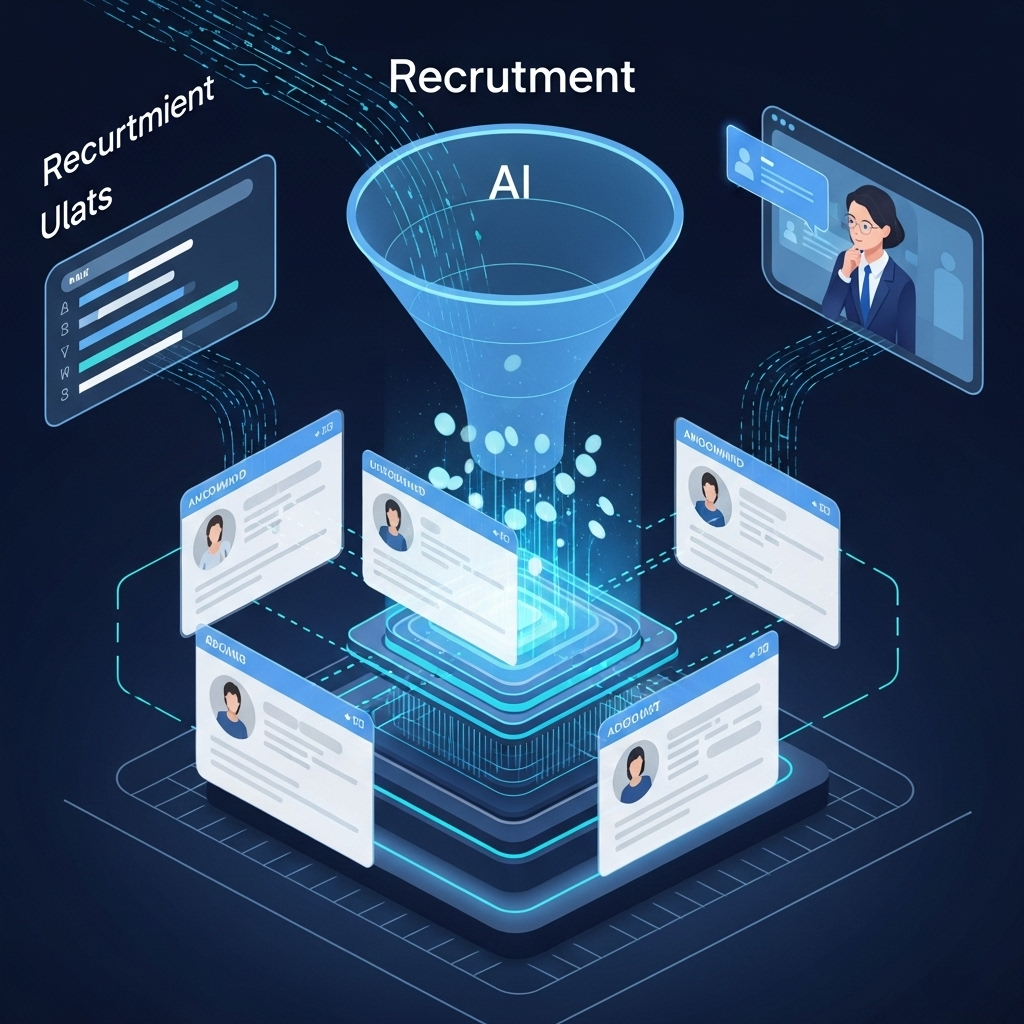
- AI Bias Reduction Tools: AI-powered platforms can analyze job descriptions for biased language (as mentioned earlier with tools like Textio), anonymize resumes to facilitate blind screening technology, and even conduct initial skills-based assessments. These tools focus on objective criteria, such as skills, qualifications, and past performance indicators, rather than personal characteristics that might trigger unconscious biases.
- Skills-Based Hiring AI: Many AI recruitment tools are designed for skills-based hiring AI, matching candidates to roles based purely on their demonstrated abilities and competencies, rather than their educational institution or previous company names, which can carry inherent biases.
- Effectiveness: The impact is measurable. A study cited by MokaHR and supported by research in the World Journal of Advanced Research and Reviews, indicates that AI-based assessments can reduce hiring bias by 25%. Other reports suggest organizations implementing AI-powered screening tools see a 20% increase in workforce diversity. This is not magic; it’s the power of objective, data-driven evaluation.
- Ethical AI Recruitment & Human Oversight: However, the deployment of ethical AI hiring is paramount. AI systems are only as unbiased as the data they are trained on. If historical hiring data is riddled with biases, AI can inadvertently perpetuate them, leading to algorithmic bias in hiring. Therefore, continuous human oversight is crucial. HR professionals must:
- Audit Training Data: Before feeding existing hiring data into AI systems, audit it for historical biases. Clean and diversify your data to ensure the AI learns from fair examples.
- Monitor AI Outcomes: Regularly review the outcomes of AI-driven processes to ensure they are not inadvertently discriminating against certain groups.
- Maintain Human Touchpoints: AI should augment, not replace, human judgment. Complex decisions, candidate interactions, and final selections still require empathetic human oversight.
Metrics That Matter: Tracking Progress and Proving Impact
You can’t manage what you don’t measure. To truly achieve diversity metrics and prove the impact of your efforts, you need a robust system for tracking progress.
- Establish Benchmarks: Start by understanding your current diversity landscape. What are your baseline percentages for representation across different demographics at various levels of your organization?
- Recruitment Funnel Analytics: Analyze your recruitment funnel data for disparities at each stage.
- Application-to-Interview Rate: Are certain demographic groups less likely to be invited for an interview after applying?
- Interview-to-Offer Rate: Are there disparities in who receives offers after interviews?
- Offer-to-Acceptance Rate: Are your offers attractive to diverse candidates?
- Source of Hire: Which sourcing channels yield the most diverse talent?
- Key Diversity Metrics to Track:
- Representation Metrics: Percentage of employees by gender, race/ethnicity, age, disability status, veteran status across different departments and leadership levels.
- Retention Rates: Track retention rates for diverse groups compared to the overall workforce.
- Promotion Rates: Are diverse employees progressing at the same rate as others?
- Pay Equity: Conduct regular pay equity audits.
- Inclusion Survey Scores: Measure employee sentiment on belonging and inclusion.
Gem provides excellent insights into key metrics and pillars for a robust diversity hiring strategy. The importance of data collection and benchmarking for diversity metrics cannot be overstated. This continuous monitoring and reporting allow you to identify areas for improvement, demonstrate ROI, and hold your organization accountable for its diversity goals.
The Real-World Impact
Embracing a data-driven approach, complemented by ethical AI, transforms diversity from an aspirational goal into a measurable, strategic imperative, enabling organizations to objectively identify and nurture talent while dismantling systemic barriers.
From Goals to Growth: Embedding DEI into Organizational Culture
Achieving true diversity, equity, and inclusion (DEI) is not a one-off project; it’s a continuous journey that must be deeply embedded into the very fabric of your organizational culture. This section provides a strategic framework for setting and achieving meaningful diversity goals, moving beyond superficial metrics to cultivate an inclusive environment where all talent can thrive.
Setting SMART Diversity Goals: A Roadmap for Measurable Progress
To truly improve diversity goals, you need a roadmap, not just a wish list. The SMART framework provides a powerful structure for setting measurable diversity objectives:
- Specific: Clearly define what you want to achieve. Instead of “increase diversity,” aim for “increase representation of women in senior leadership by 15%.”
- Measurable: How will you track progress? “Increase representation of women in senior leadership from 25% to 40%.”
- Achievable: Are your goals realistic and attainable? While ambitious, they should be grounded in your organization’s capacity and market realities.
- Relevant: Do your diversity goals align with your overall business strategy and values? Diversity should be seen as a business imperative, not just an HR initiative.
- Time-bound: Set a deadline for achieving your goals. “Increase representation of women in senior leadership by 15% by end of 2027.”
Examples of measurable diversity objectives:
- Increase the percentage of hires from underrepresented racial/ethnic groups by X% within the next 18 months.
- Improve retention rates for employees with disabilities by Y% over the next two years.
- Ensure that Z% of all internal promotions go to diverse candidates annually.
- Achieve a score of [target number] on our annual employee inclusion survey within three years.
Developing a comprehensive DEI plan involves integrating these goals across all business functions: from recruitment and onboarding to performance management, leadership development, and succession planning. It’s a holistic approach that ensures DEI is a strategic priority, not an afterthought. The importance of data collection and benchmarking for diversity metrics, as discussed in the previous section, is foundational to this process.
Leadership Buy-in & Continuous Learning: Sustaining DEI Momentum
The most meticulously crafted DEI plan will fail without strong leadership commitment to diversity. DEI is not just an HR initiative; it is a strategic business imperative that requires unwavering support and accountability from the top.
- Securing Leadership Buy-in: Leaders must articulate a clear vision for DEI, communicate its strategic importance, and actively champion initiatives. This means allocating resources, setting expectations for accountability, and leading by example.
- DEI Leadership Accountability: Leaders should have DEI objectives tied to their performance reviews and be held accountable for progress within their teams. This demonstrates that diversity is a core business function, not a peripheral concern.
- Continuous DEI Learning: The landscape of diversity and inclusion is constantly evolving. Organizations must foster a culture of continuous learning around DEI. This includes:
- Ongoing Unconscious Bias Training: Regular, interactive training sessions for all employees, especially those in hiring and leadership roles, to reinforce awareness and provide new strategies.
- Mentorship and Sponsorship Programs: Establish programs that connect diverse talent with senior leaders, providing guidance, advocacy, and pathways for career advancement.
- Employee Resource Groups (ERGs): Support and empower ERGs as vital communities that foster belonging, provide feedback to leadership, and drive cultural change.
- Inclusive Culture Retention: Ultimately, attracting diverse talent is only half the battle. You must create an inclusive culture where diverse employees feel valued, respected, and empowered to contribute their full selves. This involves fostering psychological safety, promoting equitable opportunities, and actively addressing microaggressions and systemic barriers. As Augustana College highlights, setting clear goals and promoting an inclusive environment are key.
Overcoming resistance or skepticism towards diversity initiatives within an organization often requires demonstrating the tangible business benefits, providing clear data, and ensuring that DEI is integrated into core business objectives, rather than being perceived as a separate, “nice-to-have” program.
The Real-World Impact
True diversity isn’t achieved through isolated initiatives but through a deeply embedded, culturally supported commitment, where leadership champions measurable goals and continuous learning fosters an environment where all talent can thrive, driving sustainable growth and innovation.
Conclusion
The journey to building a truly diverse and high-performing workforce begins with confronting the unseen. We’ve peeled back the layers of the bias blindspot and unconscious bias, revealing how these pervasive cognitive shortcuts, particularly when amplified by the inherent flaws of unstructured interviews, create formidable barriers to diversity. The data is unequivocal: a lack of diversity is not merely an ethical oversight; it’s a strategic and financial drain, costing organizations innovation, resilience, and market relevance.
But this isn’t a tale of insurmountable obstacles. It’s a definitive guide to breakthrough. By embracing a data-driven approach to reduce hiring bias, implementing a structured interview process, and committing to a full-cycle, bias-resistant hiring framework, you can systematically dismantle these unseen barriers. Leveraging ethical AI, meticulously tracking diversity metrics, and embedding DEI deep within your organizational culture through SMART diversity goals and unwavering leadership commitment are not just best practices—they are strategic imperatives.
Building diverse, high-performing workforces is not just an ethical imperative; it is the ultimate strategic advantage in the modern economy. It’s about unlocking untapped potential, fostering true innovation, and building a resilient organization prepared for the future.
Ready to transform your hiring process and build a truly diverse workforce? Download our ‘Structured Interview Template & Bias Audit Checklist’ to begin your journey towards equitable and high-performing talent acquisition today.
This article provides general information and is not legal advice. Consult with legal counsel or HR experts for specific situations and compliance requirements.
Frequently Asked Questions
How can I identify my own cognitive biases?
Identifying your own cognitive biases, including the bias blindspot, involves self-reflection, seeking feedback, and utilizing structured self-assessment tools. Techniques like journaling about decisions, asking for diverse perspectives on your judgments, and engaging with implicit association tests (like the IAT) can help reveal unconscious patterns. The key is to acknowledge that everyone has biases and to actively look for them, rather than assuming objectivity.
Can unstructured interviews ever be made more inclusive?
While inherently susceptible to bias, unstructured interviews can be made more inclusive by incorporating elements of structure. This includes defining clear evaluation criteria beforehand, asking a few standardized questions to all candidates, having diverse interview panels, taking detailed notes, and conducting structured debriefs. However, for maximum fairness and validity, transitioning to a fully structured interview process is recommended.
What skills do HR professionals need for an AI-driven hiring landscape?
In an AI-driven hiring landscape, HR professionals need a blend of traditional HR expertise and new skills. These include data literacy (understanding and interpreting hiring analytics), ethical AI principles (identifying and mitigating algorithmic bias), change management (implementing new technologies), strong communication (explaining AI decisions), and a continued focus on human empathy and judgment for nuanced candidate interactions.
What are the legal and ethical implications of using unstructured interviews for diversity?
Using unstructured interviews carries significant legal and ethical implications. Legally, they can lead to disparate impact claims if they result in a disproportionately low hiring rate for protected groups, as their subjectivity makes it difficult to defend hiring decisions. Ethically, they undermine fairness, perpetuate systemic inequities, and can lead to a less diverse workforce, missing out on talent and innovation.
class="blockquote-special-green">
How does perceived institutional culture contribute to a lack of diversity?Perceived institutional culture significantly impacts diversity. If a company’s culture is seen as exclusive, unwelcoming to different perspectives, or lacking in commitment to DEI, it can deter diverse candidates from applying and lead to high attrition rates among underrepresented groups. This perception is often shaped by leadership behavior, internal communication, and the visible representation (or lack thereof) of diverse individuals in leadership roles.
References
- Augustana College. (2024, April 22). How to Promote Diversity and Inclusion in the Workplace.
- Evidenced.app. (n.d.). The Hidden Compliance Risks of Unstructured Interviews (and How to Avoid Them).
- Gem. (n.d.). Crafting a Diversity Hiring Strategy.
- Great Place To Work. (n.d.). 9 Proven Strategies to Improve Diversity, Equity, & Inclusion at Your Workplace.
- Harvard Business Review. (2019, June). How to Reduce Personal Bias When Hiring.
- HRBrain.ai. (n.d.). DEI Biases in Job Descriptions: Best Practices.
- Mass.gov. (n.d.). Types of Bias and Tips to Mitigate.
- McGill University. (n.d.). Structured vs. Unstructured Interviews: Improving Accuracy and Objectivity.
- McKinsey & Company. (n.d.). Diversity Matters Even More: The Case for Holistic Impact.
- MokaHR. (n.d.). How AI Helps Eliminate Hiring Bias.
- Northwestern University. (n.d.). Research Supporting the Existence of Unconscious Bias and Its Effects on Diversity in Recruitment.
- OPM (Office of Personnel Management). (n.d.). Structured Interviews.
- PMC (PubMed Central). (2022, October 11). Best Practices for Reducing Bias in the Interview Process.
- PMC (PubMed Central). (2019, August 20). Gaps in Biomedical Workforce Diversity.
- PsychoTricks. (n.d.). Blind Spot Bias: Mechanisms, Consequences, Detection, and Mitigation Strategies.
- Royal Society. (2015). Unconscious Bias Briefing.
- University of Florida HR. (n.d.). Identifying and Avoiding Interview Biases.
- WJARR (World Journal of Advanced Research and Reviews). (2024). Artificial Intelligence: A Tool to Mitigate Recruitment Bias.


