
Key Takeaways
- SaaS compliance in 2025 demands a unified, integrated framework to manage overlapping regulations efficiently, moving beyond isolated checkbox adherence.
- New and updated regulations, notably the EU AI Act and NIST CSF 2.0, are critical for future-proofing SaaS operations and require proactive integration.
- Understanding the nuances of the shared responsibility model with cloud providers is paramount for clear accountability and effective risk management.
- Proactive risk assessment, robust mitigation strategies, and diligent adherence are essential to avoid significant financial penalties and reputational damage.
- Leveraging advanced technologies like compliance automation tools and zero-trust security principles can significantly enhance compliance efficiency and security posture.
- Strategic compliance transforms from a mere burden into a powerful competitive advantage, fostering resilience, trust, and market differentiation for SaaS businesses.
The digital landscape is a relentless, ever-shifting battlefield, and for SaaS companies, the terrain is increasingly defined by one formidable opponent: global SaaS regulations. If you’re a SaaS executive, compliance officer, or product manager, you know the drill. You’re likely battling the overwhelming complexity and perceived overlap of managing multiple, disparate compliance frameworks simultaneously. The fear of significant financial penalties and reputational damage from non-compliance with evolving regulations isn’t just a nagging worry; it’s a clear and present danger. There’s also the gnawing uncertainty regarding the practical impact and implementation requirements of new regulations like the EU AI Act and NIST CSF 2.0.
But what if compliance wasn’t a burden, but a strategic advantage? This definitive guide is your roadmap. We’ll move beyond mere checkboxes, providing a playbook to building a unified, future-proof SaaS compliance framework for 2025. We will explore the evolving regulatory landscape, detail strategies for integrated compliance, discuss the impact of emerging technologies, and outline practical steps for risk mitigation and competitive resilience. This isn’t just about avoiding fines; it’s about building a resilient, trusted, and competitive SaaS operation.
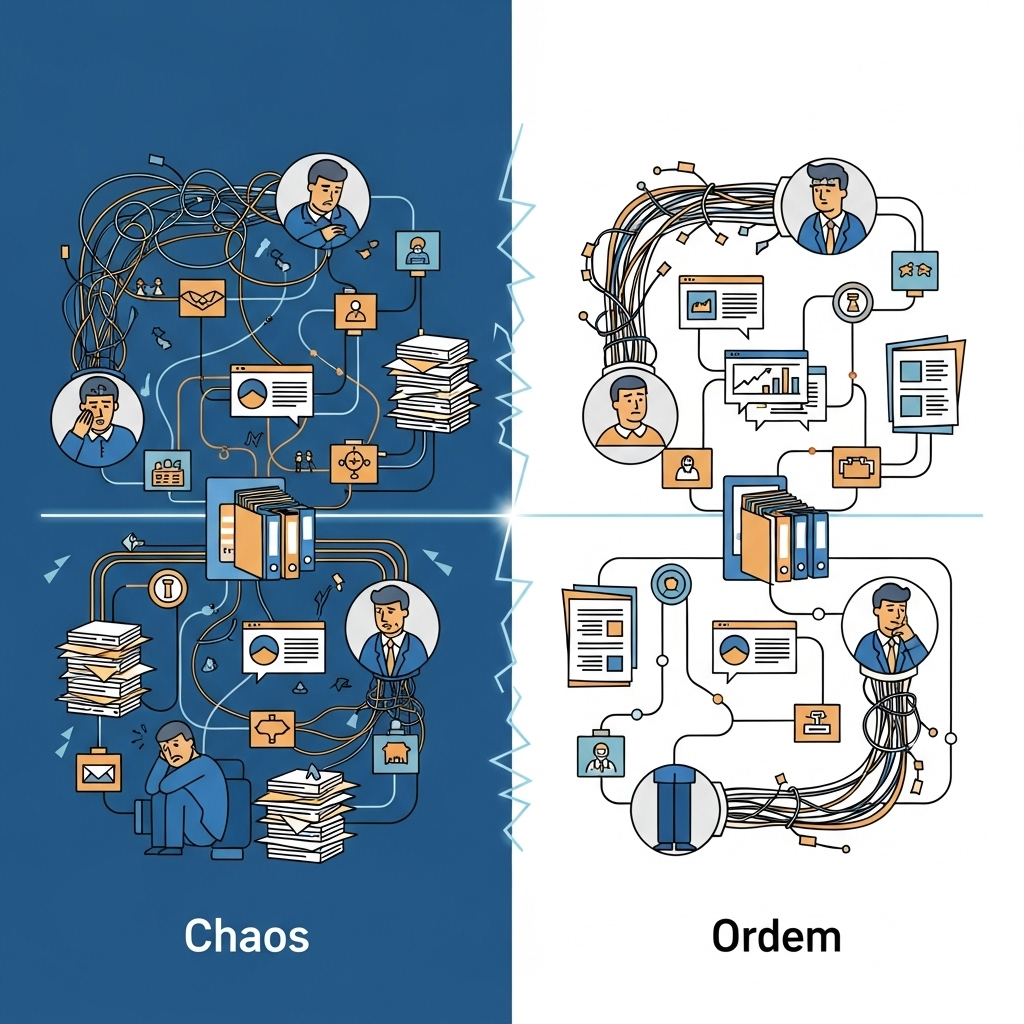
Table of Contents
The Evolving Landscape of SaaS Compliance in 2025
The world of SaaS compliance in 2025 is a dynamic ecosystem, defined by the evolution and stricter enforcement of established frameworks, alongside the emergence of groundbreaking new mandates. For any SaaS business operating globally, understanding these shifts isn’t optional; it’s foundational to mitigating SaaS regulatory challenges and navigating the 2025 global SaaS regulatory challenges. This section will detail the current state and future trajectory of key SaaS compliance frameworks, highlighting their increased enforcement and the profound impact of new regulations.
Core Regulatory Updates: GDPR, HIPAA, SOC 2, ISO 27001, PCI DSS
When we talk about the most critical SaaS compliance frameworks for 2025, we must first acknowledge the enduring giants. These aren’t just legacy rules; they are actively evolving and being enforced with renewed vigor.
The General Data Protection Regulation (GDPR) remains the global gold standard for data privacy. Its continued relevance is underscored by the fact that GDPR non-compliance can lead to significant fines, reaching up to €20 million or 4% of global annual revenue, whichever is higher. For any SaaS company processing data of EU citizens, adherence isn’t just a legal requirement; it’s a fundamental expectation.
Similarly, the Health Insurance Portability and Accountability Act (HIPAA) is non-negotiable for any SaaS provider handling Protected Health Information (PHI). Its scope continues to evolve, particularly with the proliferation of telehealth services and new data types, demanding constant vigilance in HIPAA compliance SaaS operations.
For demonstrating trust in customer data security, Service Organization Control 2 (SOC 2) remains a critical auditing standard. Achieving SOC 2 compliance isn’t just a badge; it proves your commitment to security, availability, processing integrity, confidentiality, and privacy of customer data, directly addressing key SOC 2 requirements.
The International Organization for Standardization (ISO) 27001 provides a globally recognized framework for information security management systems (ISMS). Its broad applicability makes it essential for SaaS businesses seeking to demonstrate a robust and systematic approach to managing sensitive information, with ongoing ISO 27001 updates ensuring its continued relevance.
Finally, for any SaaS provider processing payment card data, the Payment Card Industry Data Security Standard (PCI DSS) is mandatory. Strict adherence to PCI DSS for SaaS is crucial to protect sensitive financial information and maintain the trust of both customers and payment processors.
Navigating New Frontiers: EU AI Act & NIST CSF 2.0
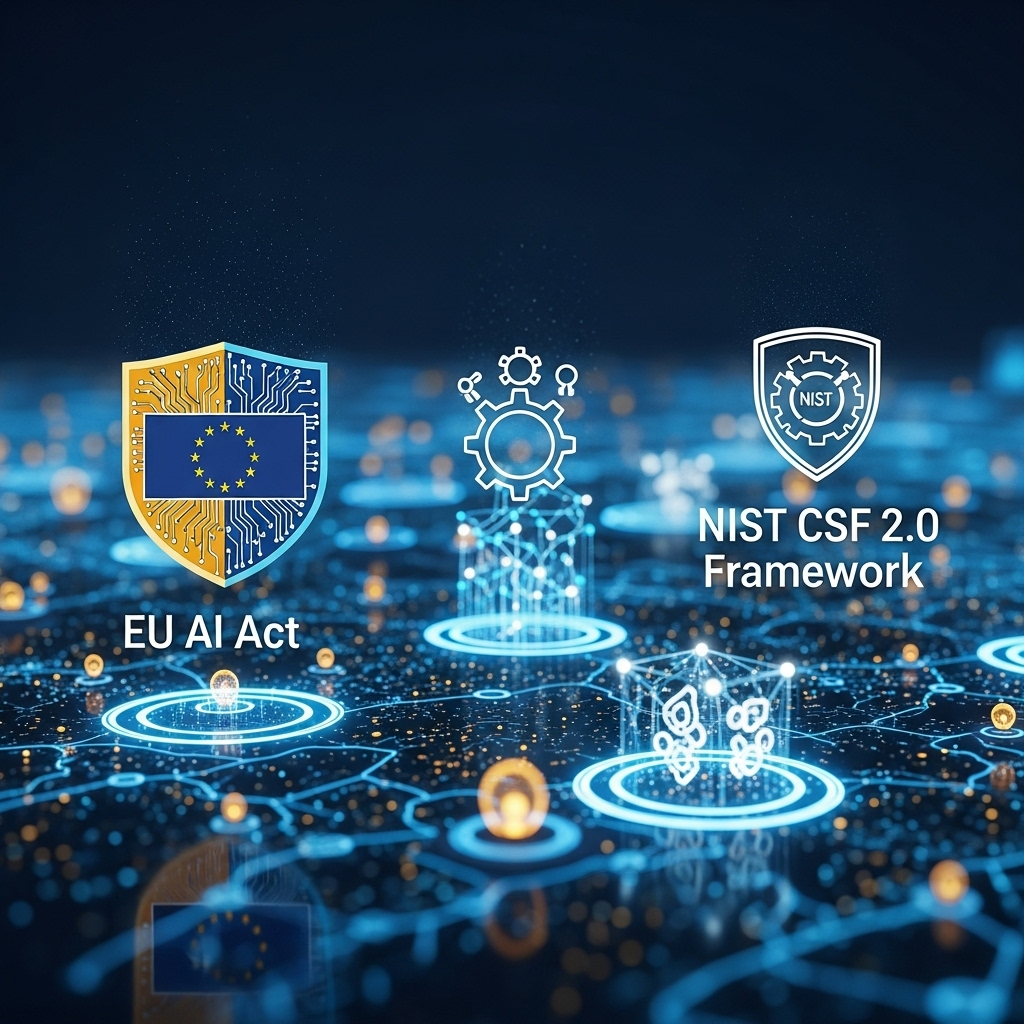
While established frameworks continue to evolve, 2025 introduces new and significant regulatory frontiers that demand immediate attention. The EU AI Act impact on SaaS is perhaps the most prominent. This landmark legislation, officially known as Regulation (EU) 2024/1689, lays down harmonized rules for artificial intelligence systems within the EU. As stated in Article 1, Preamble (1), its purpose is to “improve the functioning of the internal market by laying down a uniform legal framework… to promote the uptake of human centric and trustworthy artificial intelligence (AI) while ensuring a high level of protection of health, safety, fundamental rights… and to protect against the harmful effects of AI systems in the Union, and to support innovation.”
This act introduces a tiered risk approach for AI systems: unacceptable, high-risk, limited, and minimal. SaaS companies developing or utilizing AI must rigorously classify their systems and adhere to stringent requirements for high-risk AI, including data governance, human oversight, robustness, accuracy, and cybersecurity. This directly impacts AI governance SaaS operations, requiring a fundamental shift in how AI is developed, deployed, and monitored.
Another critical development is the updated NIST Cybersecurity Framework (CSF) 2.0. This updated framework provides a more comprehensive and accessible guide for managing cybersecurity risks. Its core functions – Govern, Identify, Protect, Detect, Respond, Recover – offer a robust structure for enhancing NIST CSF 2.0 compliance and integrating zero-trust security models.
Addressing a key content gap, the emerging ISO 42001 standard for AI management systems (AIMS) provides a practical guide for implementing AI governance within existing SaaS operations. It offers a structured approach to managing the risks and opportunities associated with AI, ensuring ethical and responsible development and deployment. Implementing ISO 42001 for AI management systems within existing SaaS operations involves:
- Context of the Organization: Understanding internal and external issues relevant to AI, interested parties, and the scope of the AIMS.
- Leadership: Defining AI policy, roles, responsibilities, and authorities.
- Planning: Identifying AI risks and opportunities, setting AI objectives, and planning for changes.
- Support: Allocating resources, ensuring competence, awareness, communication, and documented information.
- Operation: Operational planning and control, AI risk assessment and treatment, and AI system design and development.
- Performance Evaluation: Monitoring, measurement, analysis, evaluation, internal audit, and management review.
- Improvement: Nonconformity and corrective action, and continual improvement.
This structured approach allows SaaS companies to integrate AI governance seamlessly into their existing ISO 27001 or other management systems.
The rapid evolution of global regulations means that static compliance strategies are no longer viable; SaaS companies must embrace continuous adaptation to avoid costly penalties and maintain market access. Ignoring these shifts isn’t just a risk, it’s a direct threat to business continuity and reputation in an increasingly regulated digital economy.
Building a Unified Compliance Framework: Beyond Checkboxes
If Rocky Balboa was a content marketer, his montage wouldn’t include punching meat; it would feature him wrangling multi-million row CSV files and working out how to cross-map security controls across a dozen different regulatory frameworks. The reality of SaaS compliance in 2025 demands a more efficient approach than tackling each regulation in isolation. The overwhelming complexity of managing disparate frameworks simultaneously is a major pain point. This section will present actionable strategies for developing a unified compliance framework SaaS – an integrated compliance strategy that efficiently addresses multiple, often overlapping, regulations, moving beyond individual requirements to a holistic, strategic approach.
Integrating Disparate Regulations for Seamless Adherence
The secret to conquering the compliance behemoth lies in cross-framework compliance. Many regulations, despite their distinct origins, share common underlying principles, especially concerning data security, privacy, and governance. Think of it like this: a single security control, such as robust access management, doesn’t just satisfy a GDPR requirement for data minimization; it also contributes to HIPAA’s technical safeguards, fulfills a SOC 2 trust service principle for security, and aligns with ISO 27001’s access control objectives.
The key is compliance control mapping. This methodology involves identifying shared controls across different frameworks (e.g., GDPR, HIPAA, SOC 2, ISO 27001, PCI DSS). By mapping these commonalities, you can reduce redundant efforts, streamline documentation, and ensure that a single implementation effort addresses multiple requirements. This is how you achieve streamlining international SaaS compliance.
Furthermore, the adoption of automated compliance solutions is no longer a luxury but a necessity. These tools can continuously monitor your environment, collect evidence, and map it to various regulatory requirements, significantly reducing manual effort and human error. They provide real-time visibility into your compliance posture, allowing for proactive adjustments rather than reactive firefighting.
Understanding the Shared Responsibility Model in Cloud Environments

In the cloud, the lines of accountability can seem blurry, leading to significant SaaS compliance obligations confusion. The cloud shared responsibility model is a critical concept that clarifies who is responsible for what. Simply put, while major cloud providers like AWS, Azure, and GCP are responsible for the security of the cloud (i.e., the underlying infrastructure, physical security, network, and virtualization), the SaaS company is responsible for security in the cloud. This includes:
- Data: Your data, its classification, encryption, and access controls.
- Applications: The security of your SaaS applications, including code vulnerabilities.
- Configurations: Proper configuration of cloud services, network security groups, and identity and access management (IAM) policies.
- Operating Systems: Guest operating systems, including patching and hardening.
- Network Controls: Firewalls, intrusion detection/prevention systems.
This distinction is paramount for SaaS cloud compliance. A comparative analysis of shared responsibility models across these major providers reveals nuances, but the core principle remains: your data and how you manage it within the cloud environment is your responsibility. Practical advice involves:
- Thoroughly reviewing your cloud provider’s shared responsibility matrix.
- Negotiating and documenting clear service level agreements (SLAs) and data processing agreements (DPAs) with vendors.
- Implementing robust internal controls for data encryption, access management, and configuration hygiene.
- Conducting regular audits of your cloud environment to ensure adherence to your defined responsibilities.
Mitigating Risks and Avoiding Penalties
The stakes are incredibly high. The financial penalties for non-compliance with regulations like GDPR in 2025 serve as a stark reminder. As previously noted, these can reach €20 million or 4% of global annual revenue. But it’s not just about fines; cross-border SaaS legal risks can lead to reputational damage, loss of customer trust, and even market exclusion.
Effective risk mitigation SaaS compliance begins with a comprehensive compliance risk assessment. This involves:
- Identifying all applicable regulations: Understand every law and standard relevant to your operations and target markets.
- Mapping data flows: Know where sensitive data resides, how it moves, and who has access to it.
- Assessing vulnerabilities: Identify weaknesses in your systems, processes, and controls.
- Prioritizing risks: Focus on the highest-impact, highest-probability risks first.
- Implementing controls: Put in place technical and organizational measures to address identified risks.
Best practices for incident response and breach notification are also crucial. Having a well-defined plan for detecting, containing, investigating, and reporting security incidents can significantly minimize their impact. This includes adhering to strict timelines for notifying affected parties and regulatory bodies, as mandated by laws like GDPR. Finally, proactive engagement with legal counsel specializing in SaaS regulations is not an expense, but an investment. Their expertise can help you navigate complex legal nuances, interpret new regulations, and ensure your strategies are legally sound.
Moving beyond a fragmented approach to compliance is no longer optional; it’s a strategic imperative that allows SaaS businesses to efficiently scale globally while building a foundation of trust with customers and regulators. A unified framework transforms compliance from a reactive burden into a proactive, competitive advantage that streamlines operations and reduces overhead.
Future-Proofing Your SaaS Compliance: Emerging Tech & Strategic Advantage
In the relentless pursuit of peak performance, a coach knows that yesterday’s playbook won’t win tomorrow’s game. To truly future-proof SaaS compliance, you must look beyond current mandates and embrace the transformative power of emerging technologies. This section will explore how advancements like AI and zero-trust security models are shaping the future of compliance, and how your company can leverage them to not only meet regulatory demands but also gain a significant SaaS compliance strategic advantage.
AI Governance and Zero-Trust Security’s Impact
The rise of AI brings both immense opportunities and complex regulatory challenges. AI governance compliance is rapidly becoming an integral part of SaaS compliance strategies. Under frameworks like the EU AI Act, SaaS companies deploying AI systems must ensure transparency, accountability, and fairness. This involves:
- Risk Classification: Accurately categorizing AI systems based on their potential for harm.
- Data Governance: Ensuring the quality, integrity, and non-bias of data used to train AI models.
- Human Oversight: Implementing mechanisms for human review and intervention, especially for high-risk AI.
- Transparency: Providing clear information about how AI systems operate and their decision-making processes.
These requirements necessitate a robust AI compliance best practices framework, often drawing from standards like ISO 42001.
Simultaneously, the adoption of zero-trust security SaaS models is fundamentally reshaping how companies protect data. The core principle of zero trust is “never trust, always verify.” Unlike traditional perimeter-based security, zero trust assumes that no user or device, whether inside or outside the network, should be implicitly trusted. Every access request is authenticated, authorized, and continuously validated. For SaaS environments, this means:
- Micro-segmentation: Isolating workloads and data to limit lateral movement in case of a breach.
- Least Privilege Access: Granting users only the minimum access necessary to perform their tasks.
- Multi-Factor Authentication (MFA): Requiring multiple forms of verification for all access attempts.
- Continuous Monitoring: Real-time analysis of user behavior and system activity to detect anomalies.
This zero-trust architecture SaaS approach significantly enhances cybersecurity compliance 2025 by providing granular control over data access and reducing the attack surface. It’s a proactive strategy for data protection that aligns perfectly with the heightened expectations of regulators and customers alike.
Transforming Compliance into a Strategic Business Asset

Compliance is often seen as a cost center, a necessary evil. But a truly proactive and robust compliance program can transcend mere risk mitigation to become a powerful SaaS competitive advantage. It’s about building trust, enabling market expansion, and enhancing brand reputation.
In a market saturated with options, customer trust is the ultimate currency. When a SaaS company demonstrates meticulous adherence to global regulations, it signals reliability and integrity. As industry leaders often emphasize, trust and transparency are paramount in the SaaS market. Certifications like SOC 2 and ISO 27001 are not just compliance requirements; they are powerful marketing tools. Statistics consistently show that compliance certifications influence customer purchasing decisions, especially for enterprise clients who prioritize data security and regulatory adherence.
Furthermore, robust compliance enables seamless market expansion compliance. Entering new geographies often means navigating a labyrinth of local data privacy, security, and tax regulations. A unified, adaptable compliance framework allows SaaS businesses to confidently expand into new markets, knowing they can quickly meet local requirements without significant re-engineering. This agility fosters resilience and positions the business as a leader, not just a follower, in a rapidly evolving digital landscape.
Embracing emerging technologies and viewing compliance as a strategic asset empowers SaaS companies to not only navigate complex regulatory waters but also to build deeper trust with their customers and unlock new market opportunities. This forward-thinking approach ensures long-term resilience and positions the business as a leader in a rapidly evolving digital landscape.
The journey to SaaS compliance in 2025 is undoubtedly complex, but it is also an unparalleled opportunity. We’ve explored the necessity of a unified, future-proof compliance framework, delving into the impact of new regulations like the EU AI Act and the strategic advantages of proactive compliance. By moving beyond isolated checkbox adherence and embracing an integrated approach, SaaS businesses can transform compliance from a reactive burden into a resilient, competitive edge. This isn’t just about meeting minimum requirements; it’s about building a foundation of trust that fuels growth, fosters customer loyalty, and ensures your place at the forefront of the digital economy.
Ready to build your unified, future-proof SaaS compliance framework? Contact us today for tailored strategies and expert guidance to navigate the complexities of 2025 and beyond.
Frequently Asked Questions
What are the most critical SaaS compliance frameworks for 2025?
For 2025, the most critical SaaS compliance frameworks include established regulations like GDPR, HIPAA, SOC 2, ISO 27001, and PCI DSS, alongside emerging mandates such as the EU AI Act and updated NIST CSF 2.0. A unified approach is essential to manage their overlapping requirements.
How will AI governance and zero-trust security models impact SaaS compliance?
AI governance, particularly under frameworks like the EU AI Act, will impose strict requirements on the development and deployment of AI systems in SaaS, focusing on risk assessment, transparency, and human oversight. Zero-trust security models, by verifying every user and device, will fundamentally enhance data protection and access control, becoming a core component of robust cybersecurity compliance.
What are the financial penalties for non-compliance with regulations like GDPR in 2025?
Non-compliance with regulations like GDPR can lead to significant financial penalties. For GDPR, these can be as high as €20 million or 4% of a company’s global annual revenue, whichever is higher. Other regulations also carry substantial fines, underscoring the importance of proactive compliance.
How does the shared responsibility model affect SaaS compliance obligations?
The shared responsibility model in cloud environments clarifies that while cloud providers are responsible for the security of the cloud (e.g., infrastructure), SaaS companies are responsible for security in the cloud (e.g., data, applications, configurations). Understanding this distinction is crucial for defining clear compliance obligations and avoiding gaps in security and regulatory adherence.
What steps can SaaS companies take to future-proof their compliance strategy?
To future-proof their compliance strategy, SaaS companies should develop a unified, integrated framework that maps common controls across regulations, proactively integrate emerging mandates like the EU AI Act, adopt advanced security practices such as zero-trust, leverage compliance automation tools, and view compliance as a strategic asset for trust and competitive advantage.
References
- European Union. (2016). Regulation (EU) 2016/679 of the European Parliament and of the Council of 27 April 2016 on the protection of natural persons with regard to the processing of personal data and on the free movement of such data, and repealing Directive 95/46/EC (General Data Protection Regulation). EUR-Lex.
- European Union. (2024). Regulation (EU) 2024/1689 of the European Parliament and of the Council of 13 June 2024 laying down harmonised rules on artificial intelligence and amending Regulations (EC) No 300/2008, (EU) No 167/2013, (EU) No 168/2013, (EU) 2018/858, (EU) 2018/1139 and (EU) 2019/2144 and Directives 2014/90/EU, (EU) 2016/797 and (EU) 2020/1828 (Artificial Intelligence Act). EUR-Lex.
- U.S. Department of Health & Human Services. (n.d.). HIPAA for Professionals. HHS.gov.
- National Institute of Standards and Technology. (2024). CSWP 29, The NIST Cybersecurity Framework (CSF) 2.0. Computer Security Resource Center.
- International Organization for Standardization. (n.d.). ISO 27001 Information security management. ISO.org.
- Payment Card Industry Security Standards Council. (n.d.). Payment Card Industry Data Security Standard (PCI DSS). PCIsecuritystandards.org.
- International Organization for Standardization. (n.d.). ISO/IEC 42001:2023 Information technology — Artificial intelligence — Management system. ISO.org.
- Amazon Web Services. (n.d.). AWS Shared Responsibility Model. AWS.amazon.com.
- Microsoft Azure. (n.d.). Shared responsibility in the cloud. Learn.microsoft.com.
- Google Cloud. (n.d.). Shared responsibility in the cloud. Cloud.google.com.
This article provides general information and guidance on SaaS compliance and should not be considered legal or professional advice. Readers should consult with qualified legal and compliance professionals for advice tailored to their specific circumstances and jurisdiction. Laws and regulations are subject to change.


